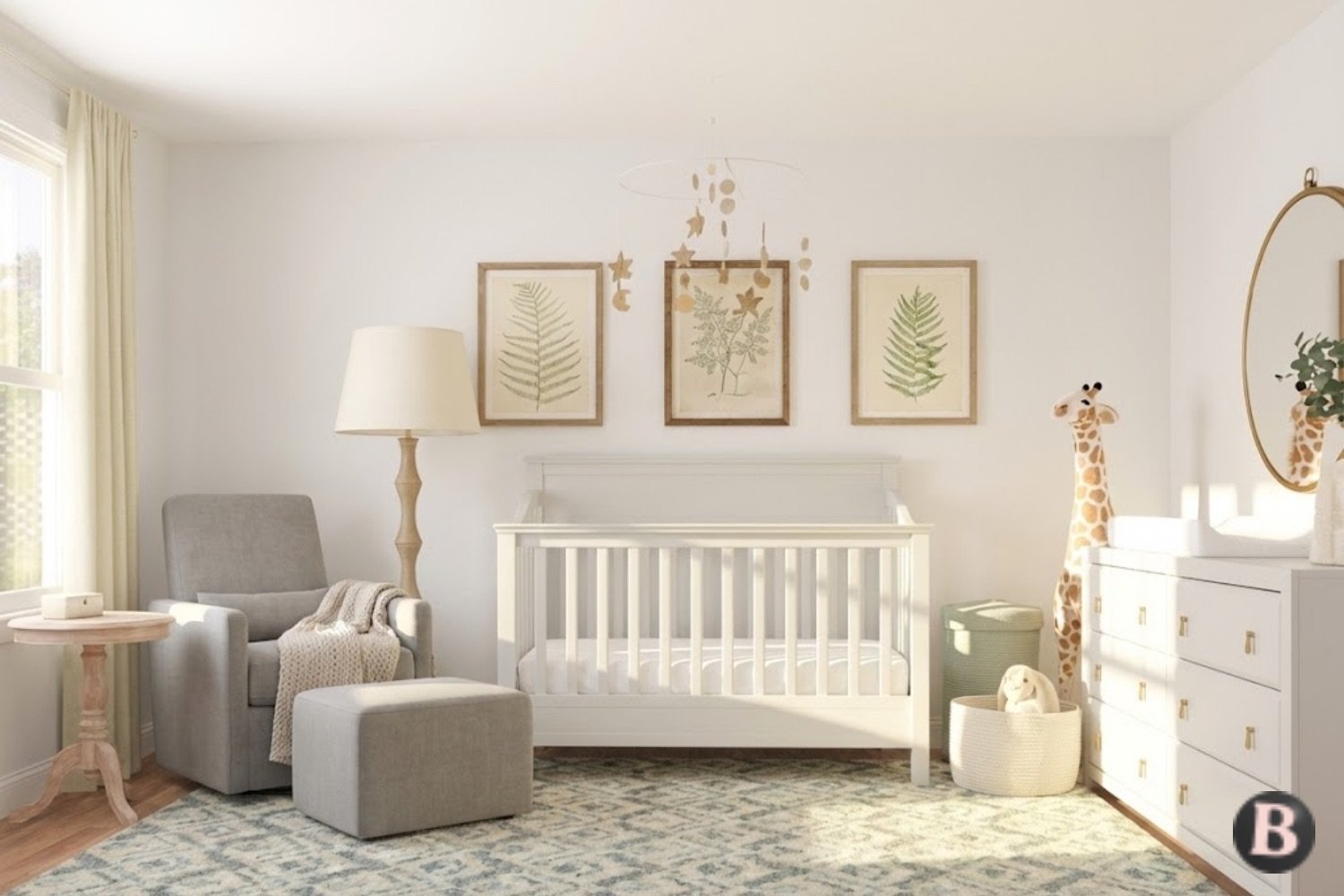

If you’re hunting for fresh side table ideas to spruce up your space, check out these 20 designs that mix style with everyday usefulness. Whether you want something sleek and modern or cozy and rustic, there’s inspiration here for every room, from tiny apartments to spacious living areas. Let’s make your home feel more you!
I still remember that chaotic weekend when I first set up my cozy little flat in London, boxes everywhere, and my living room felt so empty without the right side table next to the sofa. I ended up DIY-ing a simple wooden one from scraps, and it totally changed the vibe, making the space feel warmer and more functional.
That’s what got me hooked on exploring side table designs! In this post, I’m sharing 20 side table ideas that can transform any corner of your home, whether you’re in a bustling US city apartment, a Canadian cabin, or a UK terrace house. These picks are all about blending practicality with personality, so let’s jump in and find your next favourite piece.

This design features a sleek, wall-mounted shelf that appears to float, often made from wood or metal with clean lines. It saves floor space and adds a modern touch without clutter. Why it works: Its simplicity complements minimalist decor, keeping things airy and open. Use it in small bedrooms or living rooms where floor space is limited. To recreate: Mount a wooden plank or buy a ready-made floating shelf from IKEA, secure it with brackets, and add a small lamp or plant.

A natural log sliced flat on top, sometimes with bark intact for texture, serves as a sturdy base. It brings organic warmth and a touch of nature indoors. Why it works: The raw, imperfect look adds character to neutral rooms. Ideal for cozy cabins or farmhouse-style homes. How to recreate: Find a tree stump, sand the top smooth, seal with varnish, and add felt pads underneath for stability.

Built from black iron pipes and a wooden or metal top, this has a raw, factory-inspired edge. It combines durability with edgy aesthetics. Why it works: The contrast of materials creates visual interest in urban lofts. Use in living rooms with leather sofas. Recreate it: Source pipes from hardware stores, assemble with fittings, and top with reclaimed wood.

A simple round top wrapped or supported by macrame knots, often in neutral tones like beige or white. It adds a handmade, textured boho flair. Why it works: The soft, woven elements soften hard furniture lines. Perfect for eclectic bedrooms or patios. How to: Knot macrame cord around a wooden circle, hang or stand it, and pair with potted plants.

Angular shapes like hexagons or triangles in metal or glass form a bold, sculptural piece. It emphasises clean geometry for a contemporary feel. Why it works: It acts as art while providing function in minimalist spaces. Use next to modern sectionals. Recreate: Weld metal frames or buy affordable kits online, and add a glass top.

An old steamer trunk repurposed with legs or stacked, offering storage inside. It evokes nostalgia with brass details. Why it works: Dual-purpose as a storage and table in vintage-inspired rooms. Great for entryways. How to: Hunt thrift stores for trunks, clean them up, and add hairpin legs.

A polished marble slab on slim metal legs for elegance. The veining adds a natural pattern. Why it works: Luxe without overwhelming small areas. Suits glam or Scandinavian styles in living rooms. Recreate: Source marble remnants, attach to a base from hardware supplies.

Clear glass top on shiny chrome frame for a reflective, airy look. It keeps spaces feeling light. Why it works: Blends seamlessly in modern or mid-century homes. Use in bright, open areas. How to: Assemble from kits or upcycle old frames with new glass.

Two or three tables that stack together, in varying sizes and heights. Versatile for flexible use. Why it works: Saves space when not needed, expands for guests. Ideal for small apartments. Recreate: Buy sets or make from plywood circles on legs.

A single column base with a round top, often in wood or stone. Classic and stable. Why it works: Elegant focal point without bulk. Use in formal sitting areas. How to: Turn a vase upside down as a base, top with a tray. Chair Side Table.

A fold-down or fixed shelf attached to the wall, saving floor space entirely. Practical for tight spots. Why it works: Maximises vertical space in tiny rooms. Great for hallways or bedside. Recreate: Install a bracket shelf and paint to match the walls.

Cylindrical shape, like a drum, in wood materials. Adds rhythm to decor. Why it works: Unique form breaks up rectangular furniture. Use in global-inspired spaces. How to: Wrap a barrel with rope or paint an old drum.

Fully mirrored surfaces for a glamorous, light-reflecting effect. Often cubic or with drawers. Why it works: Makes rooms feel larger and brighter. Perfect for bedrooms. Recreate: Cover a basic table with mirror tiles from craft stores.

Transparent acrylic material for an invisible, modern illusion. Lightweight and durable. Why it works: Keeps visual clutter low in contemporary setups. Use in minimalist offices. How to: Buy pre-cut sheets and assemble with adhesive.

Sustainable bamboo frame with a natural weave or slats. Eco-friendly and lightweight. Why it works: Brings tropical warmth to casual spaces. Ideal for patios or sunrooms. Recreate: Weave bamboo strips over a frame or repurpose baskets.

Poured concrete top on metal legs for an urban, industrial vibe. Tough and weather-resistant. Why it works: Adds texture and modernity outdoors or in lofts. Use in gardens. How to: Mix concrete in a mould, cure, and attach legs.

A padded ottoman with a flat tray on top, doubling as seating. Soft and versatile. Why it works: Comfort meets function in family rooms. Great for kids’ areas. Recreate: Upholster a stool and add a removable tray.

Irregular wood slab with natural bark edge on legs. Celebrates wood’s organic form. Why it works: Unique, one-of-a-kind appeal in rustic homes. Use beside armchairs. How to: Source live edge wood, sand, seal, and mount on bases.

C-shaped frame that slides under sofas, with a top for easy access. Space-saving genius. Why it works: Convenient for snacks or laptops in lounges. Perfect for apartments. Recreate: Bend metal rods or buy adjustable versions.

Stacked shelves at different heights for layered storage. Functional and dynamic. Why it works: Organises items while adding depth. Use in home offices. How to: Stack boxes or build with wood planks and dowels.
Whether you’re in the US, UK, or Canada, these platforms offer great selections with shipping options tailored to your region. I’ve picked versatile sites with affordable to premium ranges.
Keeping your side tables looking fresh doesn’t have to be a chore. Here are some easy tips that work across wood, metal, glass, or other materials, suitable for humid UK weather, dry Canadian winters, or varied US climates. Dust regularly with a soft microfiber cloth to prevent buildup. For wood, use a mild soap solution and avoid excess water to prevent warping; polish monthly with beeswax for shine. Metal and glass? Wipe with a vinegar-water mix to remove fingerprints. In colder areas like Canada, keep tables away from heaters to avoid cracking. For outdoor or concrete ones, seal annually against moisture. Always use coasters to protect surfaces from rings, and rotate decor items to even out wear. These habits will extend your table’s life without much effort.
Side tables should typically be at the same height as your sofa arm or bed, around 18-24 inches, for easy reach. This makes them functional without looking awkward. Adjust based on your furniture for comfort.
Start with a lamp for height, add a book or tray for mid-level interest, and finish with a small plant or coaster set. Keep it to three items max to maintain balance. This creates a welcoming vibe while keeping things practical.
They’re often used interchangeably, but end tables are usually square and placed at sofa ends, while side tables can be any shape and go anywhere. Both add accent and function, but side tables offer more versatility in design.
Yes, if made from weather-resistant materials like concrete, bamboo, or treated metal. Seal wood ones and bring them inside during harsh winters in Canada or rainy UK seasons. They’re great for patios but need protection from elements.
Opt for nesting, wall-mounted, or C-shaped designs to save floor space. Light colours or transparent materials like acrylic make rooms feel bigger. Measure your area first to ensure it fits without crowding.
Wrapping this up, I hope these 20 side table design ideas sparked some excitement for your next home refresh. There’s nothing like a well-chosen piece to tie a room together. From my own experience tweaking that first apartment setup, I’ve learned that the best designs are the ones that fit your life, not just the trends.
If you’re loving the rustic vibes here, check out my post on coffee table styling tips for more inspiration. Or dive into DIY furniture hacks if you’re feeling crafty. Remember, home decor is all about personal touches, so mix and match until it feels right. Got a favourite from this list? I’d love to hear in the comments. Let’s chat about making our spaces cozier. Thanks for reading, and happy decorating!