

These 20 money saving habits focus on simple, proven ways to control spending, cut waste, and build better money habits over time. From budgeting and tracking expenses to saving automatically and avoiding lifestyle creep, this guide breaks down practical steps anyone can start today.
Looking to boost your savings in 2026? These essential money saving habits cover everything from tracking expenses to automating transfers, helping you cut unnecessary costs and grow your wealth steadily. Whether you’re just starting out or refining your financial routine, incorporating these simple changes, like cooking at home and repairing items instead of replacing them, can lead to big results over time. Start small, stay consistent, and watch your bank account thrive.
If you’re tired of feeling like your paycheck vanishes before the month ends, you’re in the right place. Let’s chat about these 20 money saving habits in a real, down-to-earth way that’ll actually stick.
A few years ago, just after college, I was working an entry-level job and trying to keep up with student loan payments. Money always felt tight, but I still ordered takeout more than I should and bought things online without thinking twice. I kept telling myself I’d “fix my finances later.”
One rainy afternoon, my car broke down, and I realised I had no savings at all to pay for the repair. I had to ask a family member for help, and honestly, that felt really uncomfortable. That moment made me stop and think about how I was handling money.
I didn’t change everything at once. I started small, tracking my daily spending and cutting back on little habits that added up fast. Six months later, I had saved my first emergency fund, and for the first time, money felt less stressful. These simple money saving habits truly changed things for me. If I could do it while figuring life out in my twenties, you can too. Let’s get into it.

These 20 money saving habits are the same ones that helped me feel more in control without feeling restricted. If saving money feels hard right now, this list is for you.
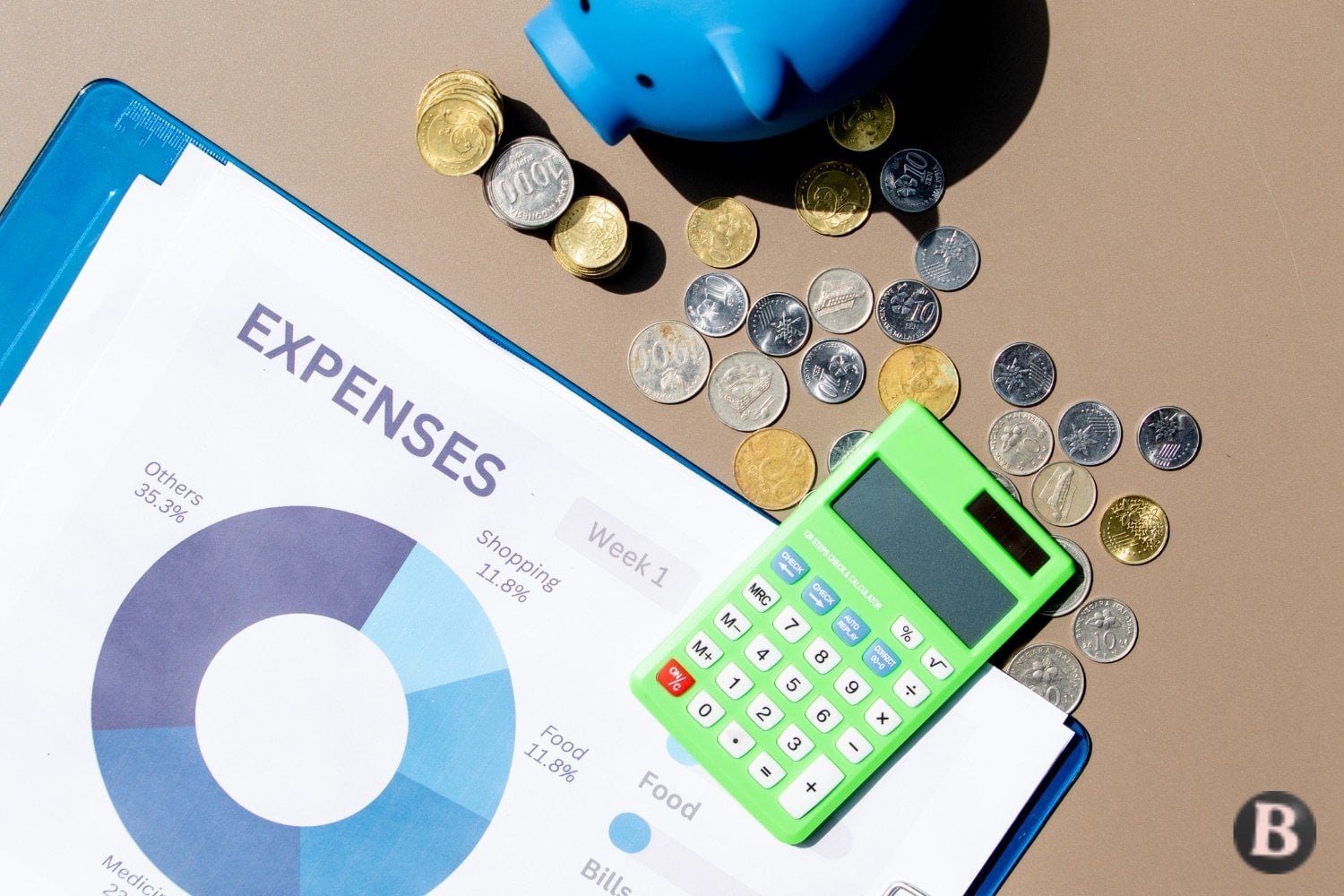
Log every purchase, big or small, to see where your cash flows. Knowing where your money goes is the foundation of saving. When you track expenses, small leaks become obvious. This habit works because awareness naturally changes behaviour. You can start with a notes app or a free budgeting tool, and review weekly to spot patterns. Knowledge is power; studies show people who track spending cut expenses by up to 20% without feeling deprived. Use it daily, especially if you’re prone to “forgetting” small buys.

Outline income vs. expenses to allocate funds intentionally. A budget gives your money direction instead of guessing. It helps you plan for bills, savings, and spending without guilt. It prevents overspending by giving every dollar a job. This works best when it’s flexible, not strict. Review it once a month and adjust as needed.
Budgeters save an average of $500 more per year, according to financial reports. Use it at the start of each month or after a pay raise. Try the 50/30/20 rule, 50% needs, 30% wants, 20% savings, using tools like Excel.

Pause before non-essential buys to curb spontaneous spending. Waiting before buying reduces emotional spending. Most impulses fade within a day. This habit works because it creates space between desire and decision. It gives time for the “want” to fade, focusing on needs. Add items to a wishlist instead of your cart. Impulse buys account for 40% of spending; this rule slashes them dramatically.

Prepare meals yourself instead of ordering delivery or eating out. Home-cooked meals save a lot of money over time. Home cooking cuts food costs while promoting healthier eating. Even replacing a few takeouts each week makes a difference. This habit works because food spending is often underestimated. Plan simple meals you actually enjoy.
Families save up to $3,000 annually by reducing takeout, according to USDA data. Try Meal prep on Sundays with budget recipes from sites like Budget Bytes.

Purchase staples like toiletries in larger quantities for discounts. Buying essentials in bulk lowers the cost per unit. Bulk buying can save 25-50% on groceries, according to consumer studies. This works best for items you already use regularly. It saves both money and shopping trips. Stick to non-perishables or freezer-friendly foods.

Review and ditch services you don’t use, like forgotten streaming accounts. Subscriptions quietly drain money every month. This habit works because many services go unused. Review your bank statement and cancel what you don’t need. You can always resubscribe later. The average person wastes $200+ yearly on unused subs, freeing up cash instantly. Check bank statements, use apps like Rocket Money to scan and cancel.

Hunt deals but stick to planned purchases. Sales help when you buy planned items, not random deals. This habit works by reducing costs without increasing spending. Keep a list of what you need and wait for discounts. Avoid browsing just because there’s a sale. Strategic shopping saves 20-30% without excess buys. Make a list beforehand; use price trackers like Honey.

Opt for buses, trains, or biking over driving alone. Transport costs add up quickly. Using public transport or carpooling cuts fuel and maintenance expenses. This habit works especially well for daily commutes. It’s also easier on your budget long-term. Commuters save $9,000+ yearly switching to public transit, says AAA. Get a monthly pass and plan routes via apps like Google Maps.

Define specific targets, like a vacation fund. Saving feels easier when there’s a reason behind it. Goals keep you motivated and focused. This habit works because it turns saving into something personal. Start with short-term goals before long-term ones.
Goals make saving purposeful and trackable. People with goals save twice as much, per behavioural finance research. Use SMART goals and apps like GoalsTracker.

Set aside cash for unexpected events like repairs. An emergency fund protects you from unexpected expenses. Avoids debt from emergencies. This habit works by reducing reliance on credit. Start small if needed, even with weekly contributions. Consistency matters more than amount.
3-6 months’ expenses provide peace of mind and financial stability. Make sure to auto-transfer $50/paycheck to a high-yield savings account.

Collect loose change in a jar. Loose change adds up over time and build a health Money Saving Habits. This habit works because it’s effortless saving. Use a jar or a digital round-up feature. It’s a simple way to build a savings buffer.
Turns “invisible” money into savings. It can yield $500+ yearly without effort. Make sure to empty pockets daily; deposit quarterly.

Invest in durable items over cheap multiples. Cheap items often cost more in the long run. This habit works because quality items last longer and reduce replacement costs over time. Focus on value instead of price. Especially useful for clothes, shoes, appliances, or tools. Quality goods last 2-3x longer, saving long-term. Try to research reviews; buy timeless pieces.

Fix broken items instead of buying new. Fixing items saves money and reduces waste. This habit works by extending product life. Learn basic repairs or use local services. Small fixes can prevent big expenses and save on unnecessary upgrades. Repairs cost 10-20% of replacements. This is perfect for electronics or clothing tears. Learn basic fixes via YouTube or hire affordably.

Keep spending steadily despite raises for healthy Money Saving Habits. Spending more just because you earn more keeps you stuck. This habit works by protecting your savings growth. Increase savings before upgrading lifestyle. Enjoy progress without pressure. Channels extra income to savings to prevent living paycheck-to-paycheck at higher levels. Make sure to auto-save half of any increase.

Handle basic repairs or services yourself. DIY saves service costs on basic tasks. This habit works when tasks are simple and safe. Cuts labour fees for easy jobs. Cleaning, basic repairs, and organising are good examples. Use tutorials to learn gradually and build skills gradually. This practice saves $100s on things like cleaning or minor fixes.

Shop around digitally for the best deals. Price comparison prevents overpaying. This habit works because prices vary widely. Check multiple stores before buying. A few minutes can save real money. Before any big buy, ensure that you’re not overpaying. Use sites like PriceGrabber or Amazon comparisons.

Always try side gigs to supplement your main income. Extra income speeds up savings goals and healthy Money Saving Habits. This habit works because it increases flexibility. Adds $500-1,000/month easily. Freelancing, selling digital products, or part-time work all help. Choose something sustainable. Freelance on Upwork or drive for Uber.

Set up automatic transfers to savings. Automation removes temptation. This habit works because saving happens without effort. Set automatic transfers right after payday. Pay yourself first. Saving before you can spend builds wealth effortlessly and it is one of the healthy Money Saving Habits; the average user saves 15% more. Use Bank apps for recurring transfers.

Cashback and rewards programs work best when you use them with planned spending, not impulse buying. This money-saving habit helps you earn cashback on things you already buy, like groceries, fuel, or online shopping. The key is to avoid spending extra just to earn rewards, because that defeats the purpose. Treat cashback, points, and rewards as bonus savings, not free money. Over time, using cashback apps and rewards credit cards wisely can help you save more without changing your lifestyle.
Regularly reviewing your finances helps you stay in control of your money, not surprised by it. This habit works because spending habits change over time, especially with rising costs and lifestyle shifts. A monthly budget check-in allows you to track expenses, review Money Saving Habits progress, and spot money leaks early. It also makes financial planning feel less stressful and more realistic. Even 15 minutes a month can help you make smarter money decisions and stay on track with your financial goals.
To supercharge these habits, leverage reliable platforms. Based on 2026 reviews from sources like NerdWallet and Forbes, here are the top picks for automated saving and budgeting:
These tools integrate seamlessly with your bank for real-time insights.
If generating extra income sparks your interest, consider these scalable ideas tailored for 2026 markets in the US, UK, and Canada. Drawn from trends in AI, sustainability, and digital services (per Entrepreneur and Wolters Kluwer reports), they have low startup costs and high growth potential:
For ideas that require low startup costs and scale well alongside a main income:
Beyond Money Saving Habits, solid money management is key. From U.S. Bank and NEFE insights, here are practical tips to keep your finances on track:
These Money Saving Habits Management Tips, combined with the habits above, create a bulletproof financial foundation.

Start with tracking daily expenses and cancelling unused subscriptions; these build fast awareness without major lifestyle changes and quick wins. Over time, add automating savings to make it effortless, potentially adding hundreds to your account yearly.
Small habits like saving coins or buying generics compound over time, turning pennies into dollars. Consistency is key; research shows habitual savers accumulate 2-3x more wealth by avoiding leaks and focusing on growth.
Focus on habits, not amounts. Small, consistent savings combined with expense control matter more than income size.
Implement the 24-hour rule and use shopping lists to curb emotional spending. With rising online temptations, apps that block purchases or track habits can help, saving an average of 15-20% on non-essentials.
Most habits feel natural after 30–60 days. Consistency and simplicity help them stick.
Automate as much as possible, like bill pays and savings transfers, to minimise effort. Meal prepping and public transport fit seamlessly, reducing costs without adding stress; many save $1,000+ annually this way.
Yes. Automation removes decision fatigue and reduces the temptation to spend first.
Absolutely, by combining cuts with income boosts like side gigs. Over 5-10 years, they create buffers and investments; experts note that consistent savers often retire earlier with less debt.
Saving money doesn’t mean giving up everything you enjoy. It’s about being intentional with what matters to you. These essential money saving habits are meant to support your life, not restrict it. Start with two or three and build from there. Progress is more important than perfection. If you enjoyed this post, you might also like my guides on home organisation, cleaning routines, or simple lifestyle resets that support better habits overall. Small changes really do add up, and in the future, you will be thankful you started today.